Teaching young kids doesn’t have to mean hours of prep work, complicated lesson plans, or trying to keep children of different ages busy with completely separate activities.
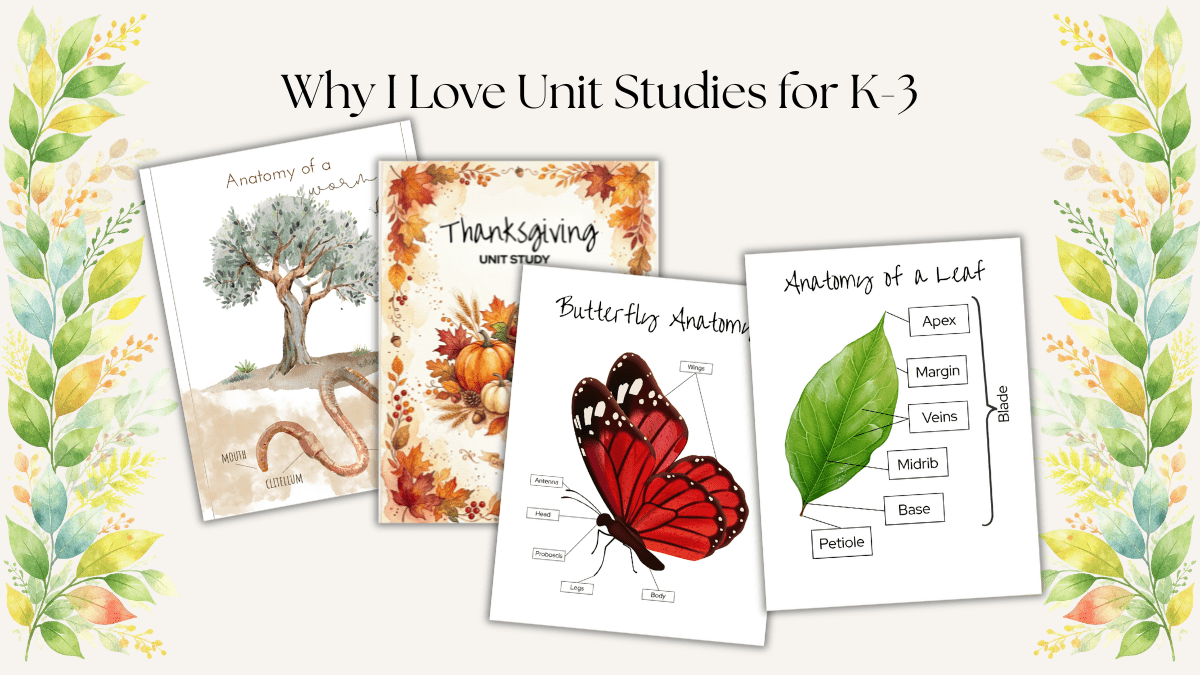
That’s one of the reasons I love creating themed unit studies for kindergarten through 3rd grade learners.
Unit studies make learning feel connected, hands-on, and fun while still covering important skills like vocabulary, reading, writing, science, math, and critical thinking. Everything revolves around one engaging theme, which helps children stay excited and curious while learning naturally through play, discussion, observation, and creative activities.
Why Unit Studies Work for Mixed Ages
One thing I especially love about unit studies is how easily they work for mixed ages and different learning levels.
One of my own children already enjoys writing independently, while the younger one is still learning mostly through conversation, hands-on activities, flashcards, and vocabulary building. With unit studies, both children can explore the same topic together while still working at their own level.
The younger child might sort picture cards, learn new words, observe nature, or complete simple matching activities, while older learners can move into writing prompts, science exploration, critical thinking tasks, reading comprehension, and more advanced activities.
That flexibility makes these sets perfect not only for homeschool families, but also for classrooms, centers, morning work, themed learning weeks, and seasonal activities.
Easy no-prep teacher resource
And maybe best of all — they’re designed to be low-prep and easy to use.
Teachers can often build an entire week of themed activities from a single unit study without needing to spend hours planning extra materials.
Some of my favorite themes to create are the classic science and seasonal topics that children naturally become excited about.
The Insect Unit Study is always a favorite. Butterflies, insects, and other tiny “mini beasts” are endlessly fascinating to kids, and the butterfly life cycle activities are especially popular.
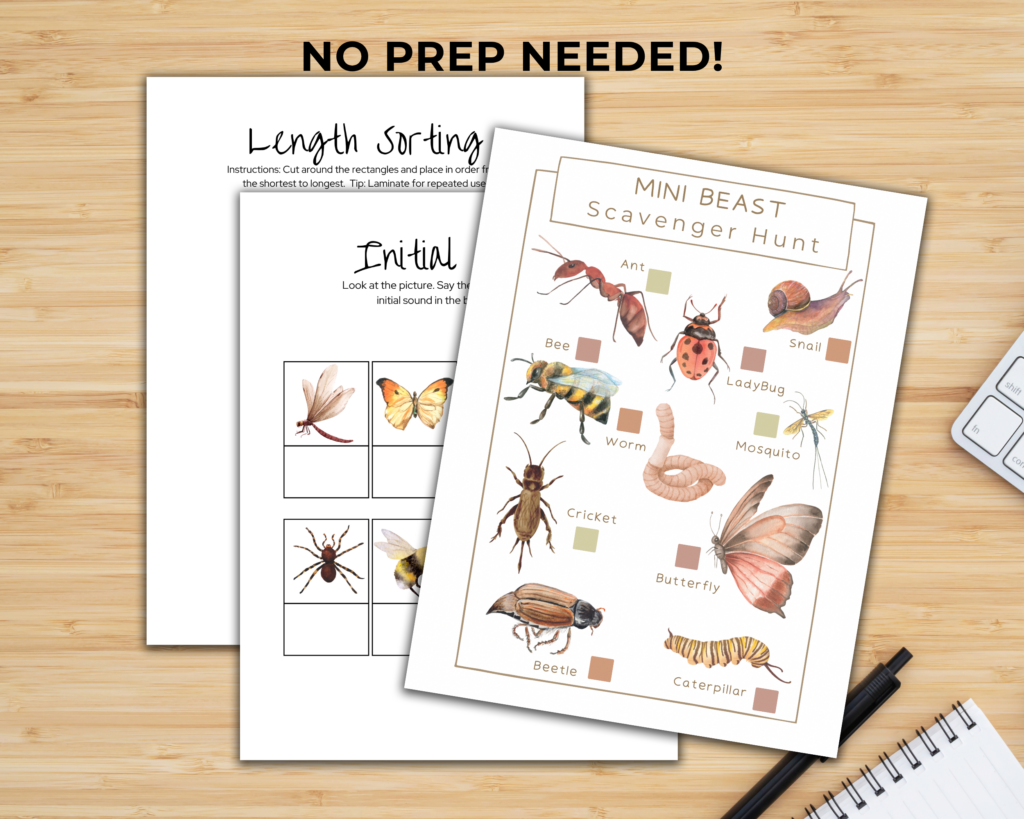
The Worm Unit Study might be slightly wiggly and a little gross — which is exactly why children love it so much. Worms quickly become a surprisingly fun way to explore science, observation skills, vocabulary, and outdoor learning.
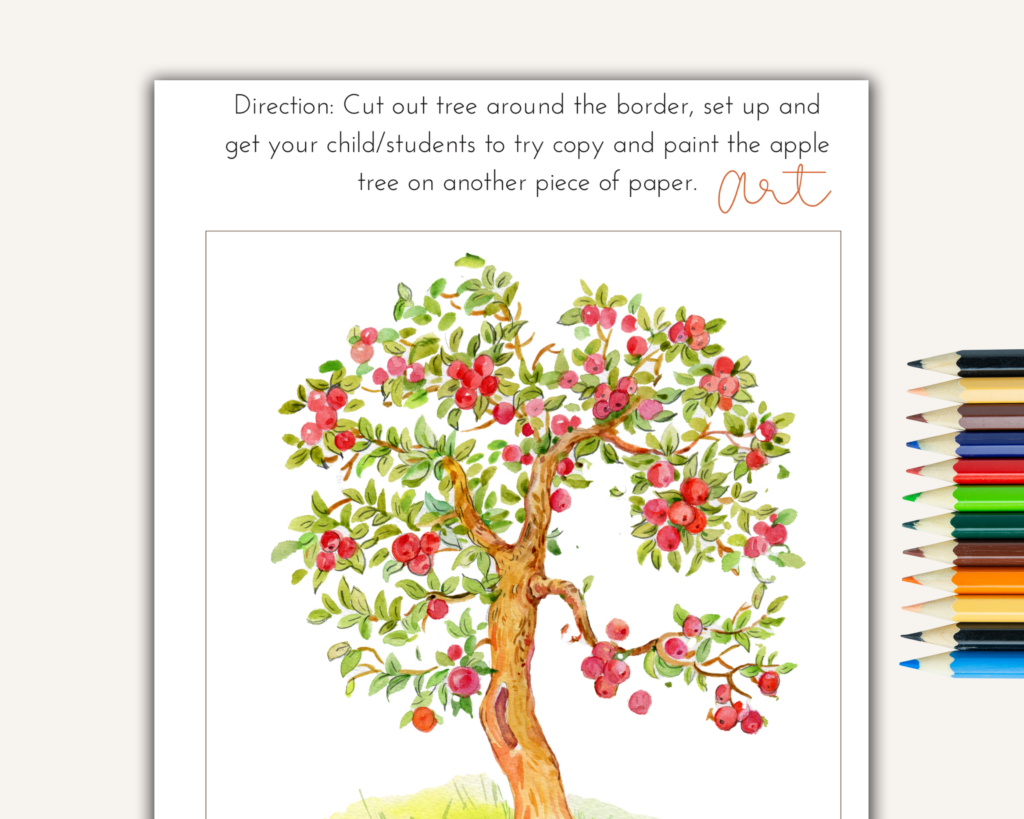
For back-to-school season, the Apple Unit Study fits perfectly into both classroom and homeschool learning. Apples are familiar, engaging, and easy to connect with literacy, math, science, and fine motor activities. Read more from this Apple Unit Study post.
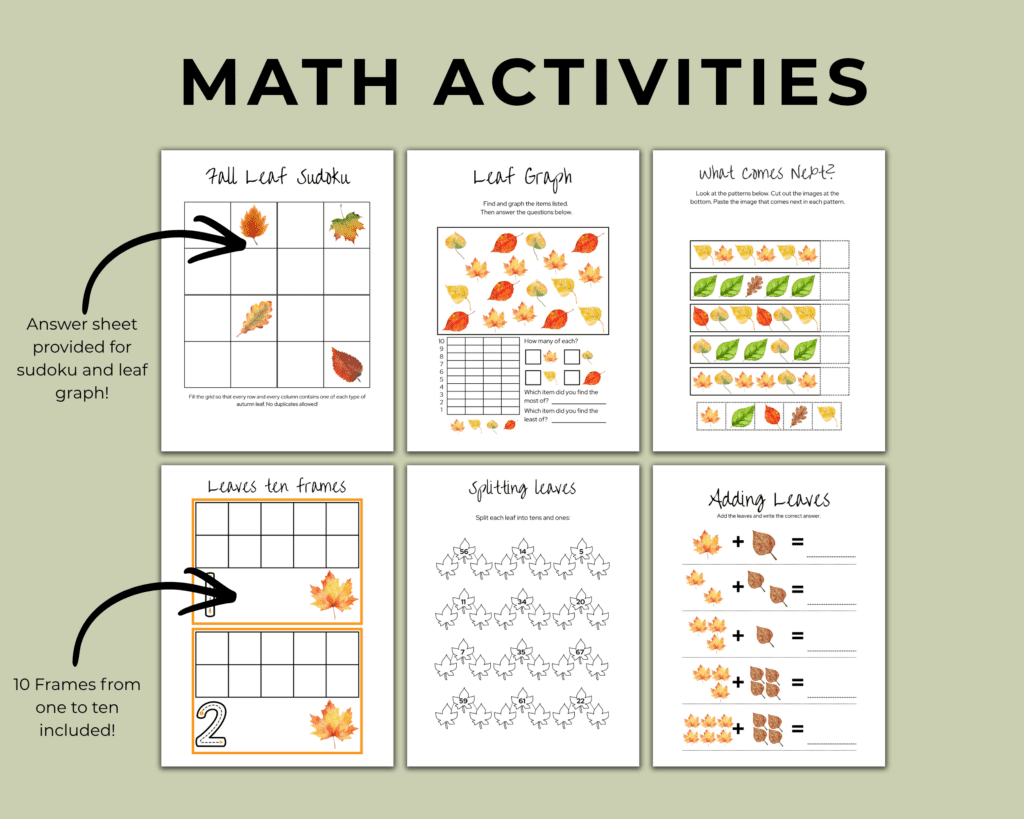
Fall learning becomes even more exciting with the Leaves Unit Study, where children can explore changing seasons, trees, colors, and fun science experiments while building vocabulary and observation skills.
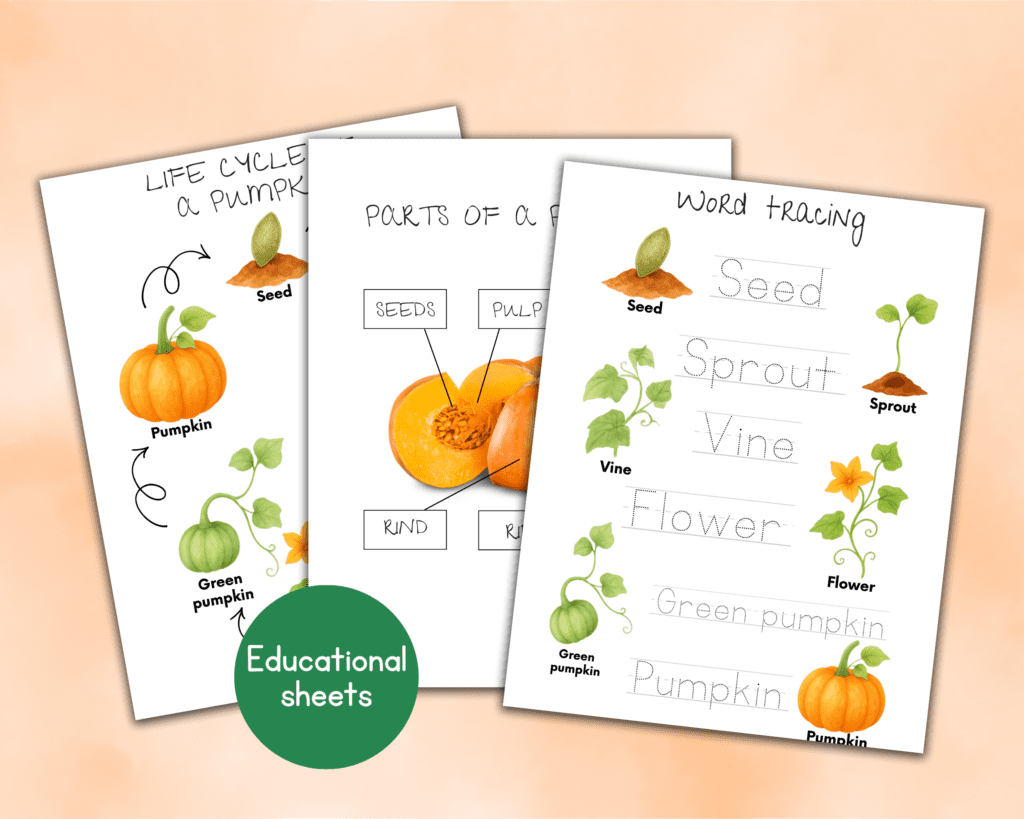
During Halloween season, the Pumpkin Unit Study brings together playful fall learning with engaging educational activities like the life cycle of a pumpkin, themed math practice, writing prompts, and hands-on activities. Read more about the pumpkin unit studies from here.
And finally, Thanksgiving-themed learning helps wrap up the fall season with cozy, engaging activities that work beautifully for themed classroom weeks and family learning at home.
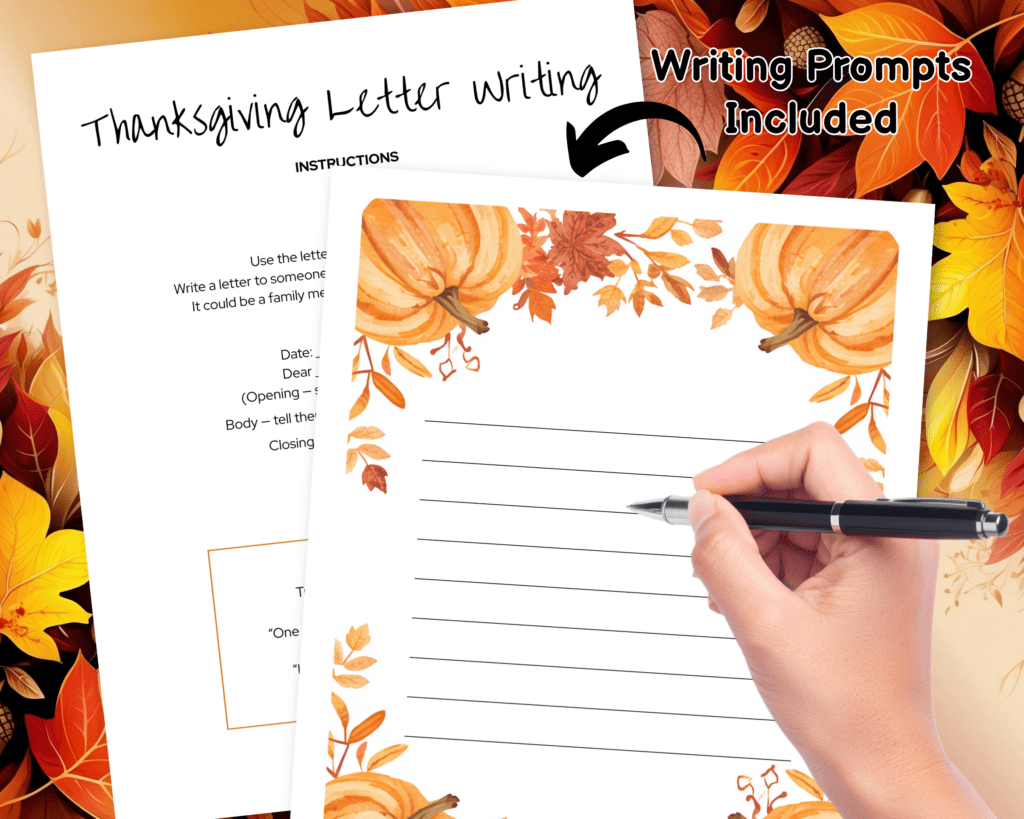
Unit studies have become one of my favorite ways to make learning feel meaningful, connected, and enjoyable for young children — especially because they allow different ages and learning styles to learn side by side in a natural way. Read about Thanksgiving Unit Study from this post.
Learning Through Life Cycles
One of my favorite parts of creating unit studies is designing life cycle activities for young learners.
Children are naturally curious about how things grow and change, and life cycle themes make science feel simple, visual, and exciting. Topics like the butterfly life cycle, pumpkin life cycle, apple life cycle, and even the life cycle of a worm help children begin understanding nature through observation, sequencing, discussion, and hands-on learning.
Each life cycle section includes a simple and beautiful visual designed especially for kindergarten through 3rd grade learners. The illustrations are intentionally clear and easy to understand, helping children focus on the learning without feeling overwhelmed.
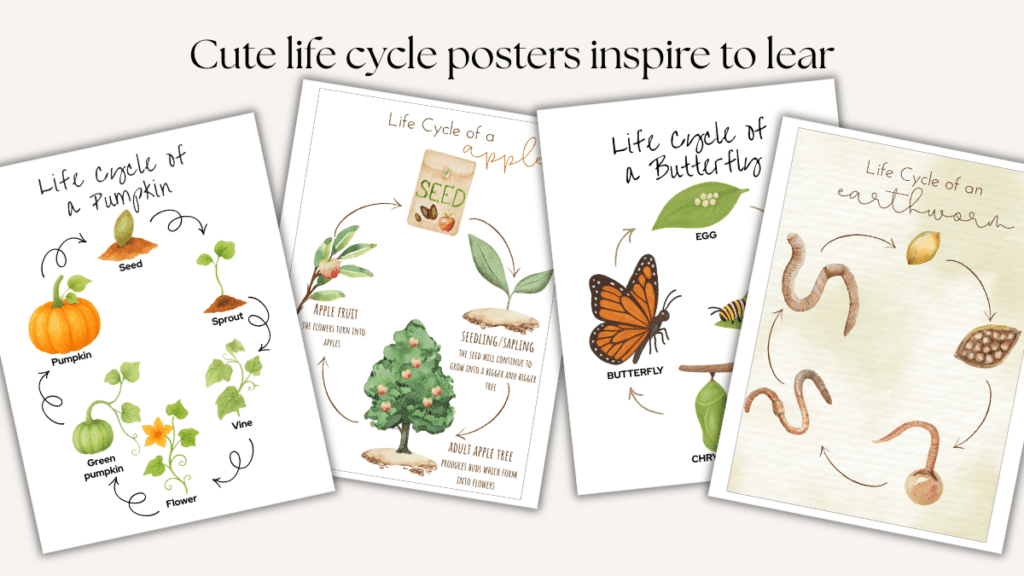
Alongside the visuals, the activities are designed to encourage meaningful learning in age-appropriate ways. Younger learners can explore vocabulary, matching activities, sequencing cards, and simple observations, while older children can move into writing, critical thinking, labeling activities, and science-based discussions.
These activities make it easy to combine science, literacy, and hands-on learning in a way that feels playful and engaging rather than overly academic.
Whether children are watching a caterpillar become a butterfly, exploring how pumpkins grow, learning where apples come from, or discovering the fascinating world of worms, life cycle studies help make learning memorable, visual, and fun.
Building Math Skills Through Play
Math becomes so much more exciting when it’s connected to themes children already love.
Each unit study includes a variety of math activities designed for different skill levels, making it easy to use with different skill levels. Younger children can practice counting, number recognition, sorting, and simple pattern activities, while older learners can work on addition, subtraction, graphing, and more independent problem-solving tasks.
One of my favorite things about themed math activities is how naturally they encourage learning through play. After all, who wouldn’t enjoy counting adorable little pumpkins, insects, apples, or fall leaves?
Many of the activities are designed to feel hands-on and engaging rather than repetitive. Children might complete simple graphs, practice number skills with themed counting pages, or strengthen early math thinking through activities like pattern matching and visual sorting.
These kinds of playful activities help build important foundational math skills while keeping learning fun, approachable, and age-appropriate for a wide range of learners.
A Simple Way to Make Learning Feel Fun
One of the things I love most about unit studies is how naturally they bring different subjects together in a way that feels exciting and manageable for young learners.
Instead of separating science, math, vocabulary, writing, and hands-on activities into completely different lessons, children can explore everything through one engaging theme. Whether they are learning about butterflies, pumpkins, apples, leaves, or worms, the activities work together to create a more connected learning experience.
For parents and teachers, that also means less stress and less preparation.
The activities are designed to work for different ages and learning levels, making them especially helpful for mixed-age learning, classrooms, homeschool families, centers, and seasonal learning weeks. Younger children can participate through play, matching, observation, and vocabulary activities, while older learners can build confidence through writing, problem-solving, science exploration, and more advanced tasks.
Most importantly, learning stays fun.
Comments
One response to “Why I Love Printable Unit Studies for K-3”
[…] pumpkin unit study is mostly a matter of grouping by subject and spacing them across a few days. Why I Love Unit Studies goes into more detail on why a single theme across subjects tends to stick better than isolated […]